Summary report
Full report
Easy Read

BSL
What we found
We found significant challenges in the enjoyment of economic, social and cultural rights across the South of Scotland. ESC rights cover basic needs like food, housing, healthcare and education. Public authorities are not fully realising any of these vital rights in the region.
We identified three clear cross-cutting challenges:
- Accessibility - Services may exist somewhere in the region, but they are often not reachable. People cannot access them because of transport failures (including ferries), centralised services, digital exclusion, poverty, caring responsibilities and disability.
- Affordability - People often cannot afford food, housing, clothing, transport, energy, cultural participation and the hidden costs of accessing. Rights holders are being forced to choose between essentials, or to depend on charity.
- Fragility - Charities are being left to provide food, clothing, culture, social care, health and social security advice. They are often trusted, flexible and close to people’s lived experience. But they cannot replace the duties of local and national government. When basic rights depend on short-term grants, volunteers and goodwill, they are not secure.
What that means for people's lives
We heard from hundreds of people living in the South of Scotland, either by completing our survey or by taking part in interviews, focus groups and community events. We are immensely grateful to everyone who took part. Your evidence, about your realities, is the power of this report.
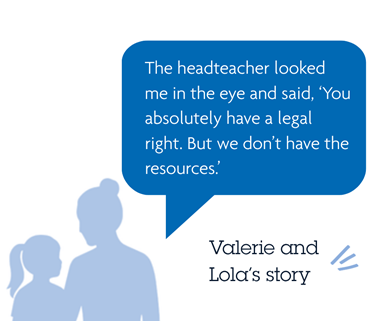
Below are four stories from people we spoke to. They explain - in their own words - what experiencing these human rights issues has meant for them and their families.



What we will do next
Holding duty bearers accountable
We are calling for an overarching, systemic approach to improving the realisation of economic, social and cultural rights in people’s lives.
We have shared the report with the Scottish Parliament and have encouraged them to ensure that the Scottish Government, local authorities, and other duty bearers take appropriate action.
We will continue to highlight the issues we found in the South of Scotland and the Highlands and Islands, as we monitor other areas of Scotland.
Empowering communities
We will bring the lessons learned from this project back to the communities affected.
On Wednesday 21st October 2026 we will host a free online community engagement workshop to share the report's findings with the communities and organisations that helped shape it.
The event will provide practical examples of how human rights defenders can use our recommendations and monitoring work to support advocacy and influence decision-making in their local areas.
Find out more and sign up for the workshop below
Have 5 minutes?
Read the Summary Report - available as a PDF and an accessible Word document - below. Or watch the report in BSL on our YouTube channel or on the BSL page of our website.
Have more time?
Read the full report below. Available as a PDF and an accessible Word document.

All related publications

About the project
We are building a picture of rights across Scotland to develop recommendations for how duty bearers can make things better for people in Scotland. The South of Scotland is the second region that we have spotlighted.
Economic, social and cultural rights are about the things we all need to live a life free from fear and want. They include:
We are building a picture of rights across Scotland so that we can support duty bearers to do better for people in Scotland. The South of Scotland is the second region that we have spotlighted. Find out more about economic, social and cultural rights in Scotland, including the Highlands and Islands.

What we did
Our human rights monitoring model to fill the gaps in human rights data and brings us closer to local communities and their human rights concerns. We bear witness to the lived experiences of people and communities across area and report our findings to the Scottish Parliament.
In February and March 2026, we visited the South of Scotland, including Ayrshire, Cumbrae, and Arran. We heard first-hand from human rights defenders on the ground about the issues facing their communities in Stranraer, Ayr, Dumfries, Kilmarnock, Hamilton, Irvine, Arran, Galashiels, Kelso, Dalkeith and Haddington.
We also held community engagement events in Dumfries and Galashiels to hear from individuals and community groups about their everyday lives, and shared an online survey so that people could have their say remotely.